
Furnace Repair · Boulder City, NV
Furnace Repair in Boulder City, NV
Most furnace no-heat calls are caused by a dirty flame sensor, a failed igniter, a clogged filter tripping the high-limit switch, or a blocked condensate line on high-efficiency units. A technician reads the furnace's error code and tests the safety controls before replacing anything.
Tap to call. Answered by a licensed local contractor.
- Emergency calls answered 24/7
- Licensed Nevada technicians
- Price explained before work starts
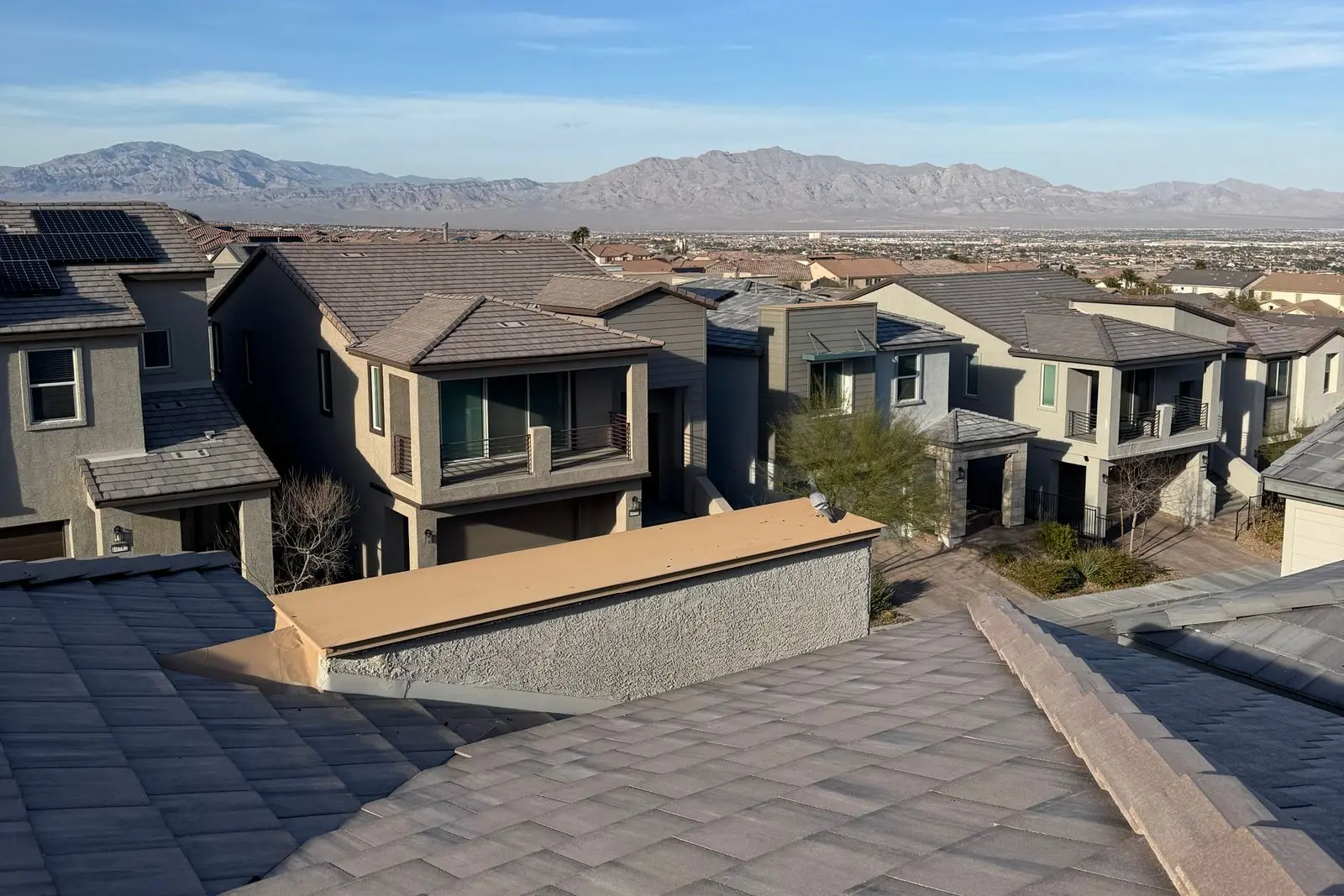
Boulder City is a little higher and colder than Las Vegas, with winter nights near freezing, so heating repair calls pick up from December through February. Homes heat with gas furnaces, heat pumps or, in older homes, wall furnaces and mini-splits.
Furnaces that sat idle through a long summer often fail on the first cold night. Common heating repairs are dirty flame sensors, failed igniters, weak inducer motors and tripped limit switches from clogged filters. On heat pumps, defrost and reversing-valve problems show up as cool air in heat mode.
In the Historic District, older wall furnaces and floor furnaces need a technician familiar with older venting and gas controls, and every gas heater should have a working carbon monoxide alarm nearby. If a heating repair would cost a large share of a new system, a mini-split or heat pump is often worth comparing.
Furnace Repair at a glance
- Service area
- Boulder City, NV
- Availability
- Emergency calls answered 24/7
- Who does the work
- Licensed Nevada HVAC technicians
- Pricing
- Written price before work starts
Signs you need furnace repair
- Blower runs but the air is cold
- Furnace tries to light, then shuts off after a few seconds
- Flashing error code on the control board
- Burning or metallic smell that lasts more than the first run of the season
- Carbon monoxide alarm sounding
Seeing any of these? A licensed contractor can diagnose it.
Call (702) 602-9362What to expect
- 1
Safety first
If a CO alarm sounds or you smell gas, leave the home and call Southwest Gas or 911 from outside. Then call for repair.
- 2
Diagnosis
The technician reads error codes, tests ignition, gas pressure, venting and safety switches.
- 3
Price, then repair
You approve the price before the repair. Cracked heat exchangers are shown to you with photos or a camera.
- 4
Combustion check
After repair, the technician verifies safe operation and checks for CO.
What affects the cost of furnace repair
Prices vary by job, so the contractor quotes after diagnosis. These are the factors that move the price.
- The part (flame sensor cleaning versus an inducer motor or control board)
- Standard versus high-efficiency condensing furnace
- Attic, crawl space or closet location
- Night, weekend or holiday service
Before you call
Safe to check
- Replace the filter
- Check that the thermostat is on Heat with fresh batteries
- Make sure the furnace door switch is pressed closed
- Clear snow from high-efficiency intake and exhaust pipes outside
Stop and call
- Never ignore a CO alarm
- Do not reset a furnace repeatedly after lockout
- Do not work on gas valves or burners
Frequently asked questions
My Boulder City furnace smells like burning on the first cold night. Is that normal?
A dusty smell for a few minutes is normal after a long summer. A smell that lasts, smells electrical, or comes with smoke means turn it off and call.
Does a Boulder City furnace need yearly service?
Gas furnaces should get a yearly safety check even with light use, including a carbon monoxide test and a look at the venting.
My furnace blows cold air. What should I check?
Check the filter, thermostat setting and the furnace switch first. If the burners never light or light and go out, the flame sensor or igniter is the likely cause, and a technician should diagnose it.
What if my heat goes out in a Reno freeze?
Call for emergency service, keep interior doors open, open cabinet doors under sinks on outside walls, and let faucets drip to reduce the risk of frozen pipes while you wait.
How long do furnaces last in Nevada?
Gas furnaces commonly last 15–20 years. High-efficiency units can fail sooner if condensate drains are not maintained.
Call and describe what your system is doing.
Emergency calls answered 24/7. Licensed technicians across Nevada.